Elections are supposed to offer a release valve for public frustration. In Pakistan-occupied Jammu and Kashmir, they are doing the exact opposite.
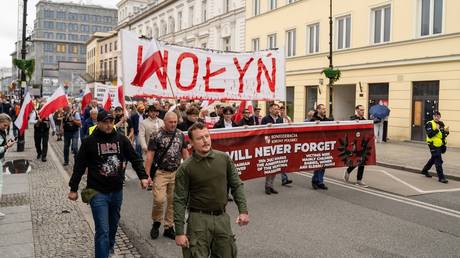
When authorities postponed the Legislative Assembly elections in the districts of Sudhnoti and Rawalakot until August 10, it wasn't a routine administrative adjustment. It was a panicked reaction to a boiling crisis. A 52-day protest movement led by the Joint Awami Action Committee, known as JAAC, has paralyzed the region. Thousands of citizens have taken to the streets, rejecting a vote they view as completely detached from their actual survival needs.
If you are trying to understand why a regional election delay in a couple of districts matters on a broader scale, you have to look past the ballot boxes. You have to look at what triggered the uprising in the first place.
The Core Trigger Behind the Unrest
The anger in PoJK didn't appear overnight. It stems from a structural grievance that local residents have fought against for months: the 12 assembly seats reserved for refugees living elsewhere in Pakistan.
Local populations argue these specific seats skew the political balance. They let outside political machinery manipulate governance outcomes in a region where voters are dealing with skyrocketing living costs, scarce resources, and basic infrastructure failures. When the Supreme Court of Azad Kashmir ruled that these seats are constitutionally protected and immune to quick executive fixes, the streets erupted.
Talks between JAAC and government representatives completely collapsed, leading to strict internet suspensions, closed businesses, and massive financial hits across local economies. Tourism is dead. Small traders are bleeding money. A single day of communication blackouts costs the regional economy billions of rupees.
Why the Voting Process is Falling Apart
The election schedule itself became a patchwork hazard. While the first phase of polling limped forward in the Mirpur Division under the watch of over 2,100 deployed army personnel and heavy police cordons, other areas faced absolute shutdowns.
Voter enthusiasm is practically nonexistent. Many residents are openly boycotting the process. They point out a grim reality: casting a vote feels meaningless when basic necessities like subsidized flour and reliable electricity remain points of constant friction, and when peaceful demonstrations face severe crackdowns.
Political parties trying to run campaigns have found themselves completely frozen out. Door-to-door rallies are non-starters when whole towns are shuttered and protesters are marching toward Muzaffarabad to demand the release of detained activists.
What Happens Next
Postponing the vote in Sudhnoti and Rawalakot to August 10 buys the administration some breathing room, but it doesn't solve the underlying structural crisis. The protest movement is organized, angry, and deeply embedded in public sentiment. Unless authorities find a genuine path toward addressing the 12 refugee seats and the broader economic demands, moving election dates will only delay a reckoning.
Keep an eye on how security forces handle the renewed deadlines. The longer the standoff lasts, the harder it becomes to pretend normal governance is functioning at all.