The British military is fundamentally changing how it plans to fight future wars. Facing a massive black hole in public finances and a rapidly changing global security situation, the UK government has officially launched its long-awaited Defence Investment Plan. It represents the most radical shift in British military strategy in decades, ditching massive traditional platforms like next-generation destroyers to bet big on uncrewed tech, robotic submarines, and autonomous fighter jets.
This isn't just about cool technology. It's a direct response to the brutal lessons coming out of Ukraine and the Middle East, where cheap autonomous systems are regularly disabling multi-million-dollar military hardware. Prime Minister Keir Starmer announced the multi-billion-pound initiative during a speech at a domestic defence firm, framing it as a vital modernization step. However, the political backdrop is messy, and military experts are already warning that the funding might not match the true scale of the threat.
The Hard Choice to Scrap Traditional Warships
For years, the Royal Navy planned to build the Type 83 destroyer, a heavily armed surface combatant designed to protect British carriers from advanced missile threats. Under the new strategy, the Type 83 is dead.
Instead of building a small fleet of incredibly expensive, traditional surface vessels, the UK is pivoting toward what it calls a Hybrid Navy. This new approach mixes a reduced number of crewed ships with cheaper, highly specialized autonomous vessels that act as force multipliers. The government believes this approach gets more eyes and weapons into the water faster than traditional shipbuilding ever could.
The Royal Navy will now focus on developing four new classes of autonomous systems to fill the gap.
- Type 91: Uncrewed missile platforms designed to significantly increase the sheer firepower of the remaining fleet.
- Type 92: Autonomous sensing vessels built specifically to track and hunt enemy submarines across the strategically vital North Atlantic.
- Type 93: Extra-large uncrewed underwater vessels that will dive alongside crewed hunter-killer submarines to seek and destroy subsurface threats.
- Type 94: Autonomous air reconnaissance and sensing platforms to provide continuous overhead monitoring for surface task groups.
This shift has sparked fierce debate among naval traditionalists. Critics argue that uncrewed platforms cannot replace the physical presence, diplomatic utility, and heavy survivability of a traditional destroyer in contested waters. But with a strict budget, defence chiefs chose numbers and tech over massive steel hulls.
Autonomous Jets and Airborne Electronic Warfare
The Royal Air Force is seeing a similar transformation. The new plan injects over 8 billion pounds into the Global Combat Air Programme, which focuses heavily on what engineers call Collaborative Combat Aircraft. These are autonomous fighter jets designed to fly directly alongside crewed platforms like the F-35 or future stealth fighters.
These uncrewed wingmen will carry advanced sensors, weapons, or electronic jammer pods. They can fly ahead into high-risk areas, absorbing enemy fire and mapping air defences without risking a human pilot's life. The UK wants a flying concept demonstrator in the air by at least 2030, with carrier-based drone trials planned to take off within the next 18 months.
The air strategy also accelerates the deployment of the Storm Shroud system. This is an uncrewed electronic warfare drone designed to go into active service this year. Its main job is to blind enemy radar and make British aircraft effectively invisible to modern air defence tracking systems.
The Reality of the Funding Gap
While the headline figure of nearly 298 billion pounds over the next four years sounds astronomical, the underlying math tells a much more complicated story. The plan includes 15 billion pounds of new money on top of previous spending reviews, raising total defence spending to an estimated 2.7 percent of GDP by the end of the decade.
The problem is that defence officials privately calculated a 28 billion pound funding shortfall over the next four years just to maintain current commitments and restock depleted ammunition warehouses. The Treasury's 15 billion pound injection covers barely half of that deficit.
General Richard Barrons, former commander of the UK Joint Forces Command, points out that the plan still cuts corners on infrastructure maintenance, training, and logistics. The government is aiming for a long-term target of 3.5 percent of GDP by 2035, but without a clear, legally binding roadmap for the intervening years, the military remains in a precarious financial position.
Lessons From the Frontlines in Ukraine
The heavy focus on autonomous systems stems directly from real-world combat data. In Ukraine, forces are burning through roughly 200,000 drones every single month to hold back Russian advances. Cheap, commercial-grade drones modified with explosives have repeatedly sunk or damaged heavily armed vessels in the Black Sea, proving that traditional military supremacy can be bypassed with mass-produced autonomous technology.
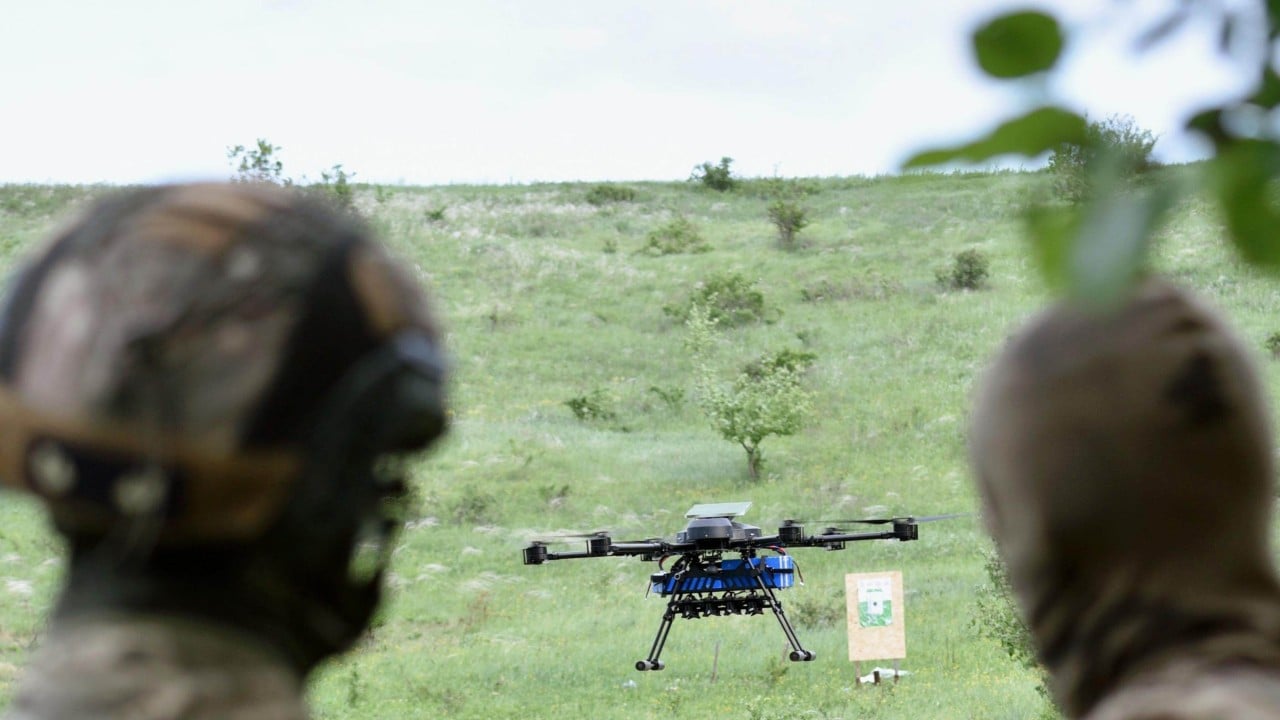
To capture this capability domestically, the UK recently opened Europe's largest drone testing facility in Swindon. The goal is to rapidly prototype sovereign AI and autonomous software, reducing the time it takes to get new equipment from the drawing board to the hands of frontline personnel.
The British Army is integrating this philosophy through two major initiatives.
- Project NYX: This program aims to put up to 24 armed autonomous drones into service by 2030. They will operate directly alongside upgraded Apache attack helicopters, providing scouting and precision strike capabilities.
- Project Corvus: A new fleet of up to 24 long-range surveillance drones designed to fully replace the aging Watchkeeper system, focusing entirely on intelligence gathering and target acquisition.
Actionable Steps for Defence Industry Professionals
The structural shift outlined in the new plan requires immediate adaptation from defence contractors, technology suppliers, and security analysts. If you operate within the defence supply chain, align your strategy with these clear spending priorities.
- Pivot toward sub-component modularity: The Ministry of Defence is moving away from bespoke, single-purpose hardware. Focus development on open-architecture software and hardware modules that can easily integrate into the Type 91 through Type 94 uncrewed naval platforms.
- Invest heavily in anti-jamming and secure data links: Massed autonomous systems rely entirely on secure communication. Prioritize engineering resources toward resilient mesh networking and electronic warfare resistance, as systems like Storm Shroud will be highly prioritized for immediate procurement.
- Target the Swindon drone ecosystem: With the new testing facility open, the procurement cycle for autonomous flight software is accelerating. Establish partnerships or R&D initiatives within this geographic hub to access fast-tracked validation pipelines.



:max_bytes(150000):strip_icc()/hippoWC3-5943d1495f9b58d58ab55a1e.jpg)