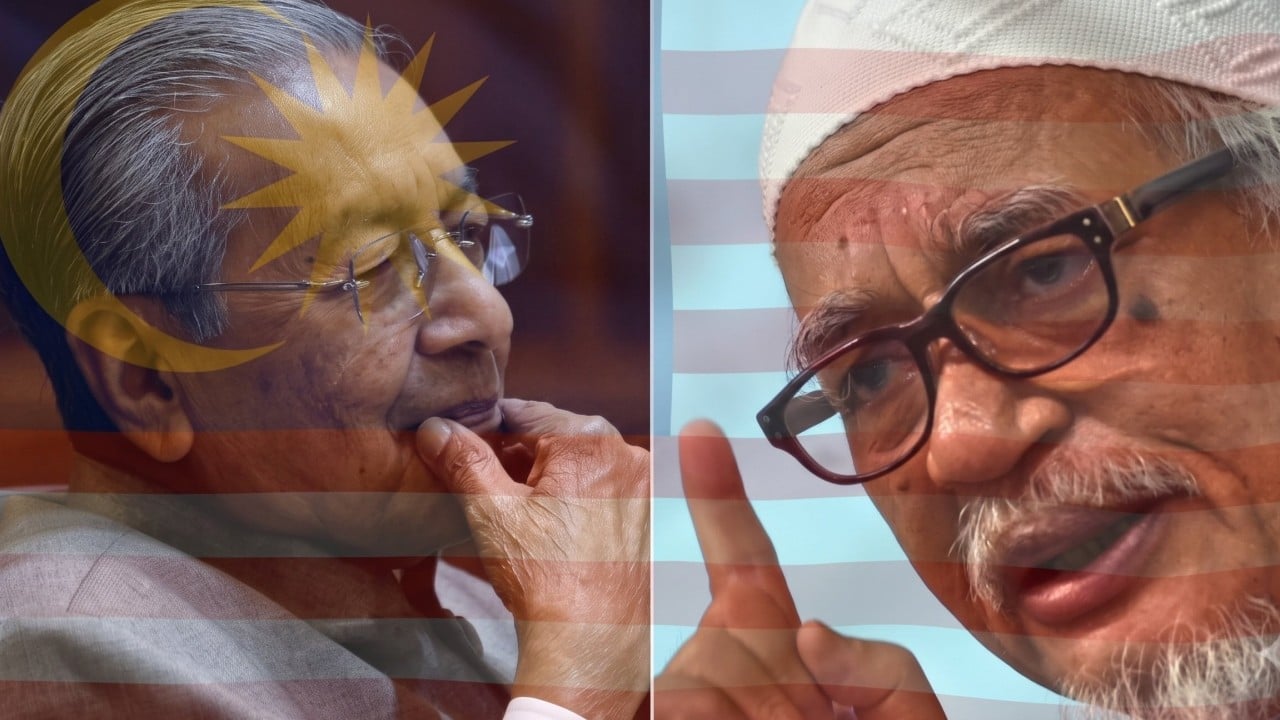
Malaysian politicians love talking about Malay unity whenever an election rolls around. They treat it like a magic spell. If you say it enough times, voters will supposedly fall in line. But the state election in Johor proved that this old political playbook is completely broken.
When former Prime Minister Mahathir Mohamad and the leaders of the Islamist party PAS started shouting about saving the Malay race during the campaign, they weren't offering a fresh vision. They were desperate. Johor voters saw right through it. Instead of uniting the majority population under one banner, the desperate appeals for ethnic solidarity only exposed how fragmented the country's political elite had actually become.
The Myth of a Single Malay Vote
For decades, the United Malays National Organisation (UMNO) held power by convincing the Malay majority that they were the ultimate shield against minority encroachment. When UMNO stumbled, parties like PAS and Mahathir’s various start-ups tried to steal that exact same script.
During the Johor polls, Mahathir—then leading his short-lived party Pejuang—penned open letters warning Malays that they would lose everything if they didn't reject the corrupt factions of UMNO. Meanwhile, PAS tried to walk a tightrope, preaching unity under the Perikatan Nasional banner while secretly wishing they could split the spoils with UMNO.
It didn't work. The results showed that the Malay community isn't a monolith.
Johor isn't the conservative northern heartland of Kelantan or Terengganu. It's an economic powerhouse. Voters here care about jobs, rising food prices, and the slow recovery from pandemic-era border closures with Singapore. When politicians show up talking about ancient racial grievances instead of inflation, they lose the room. UMNO secured a landslide victory not because Malays suddenly loved them again, but because the opposition was too busy arguing over who was the "truest" defender of the race.
Why the Fear Tactics Failed
Mahathir tried to use his age-old formula of fear. He warned that the "court cluster"—UMNO leaders facing corruption charges like Najib Razak and Ahmad Zahid Hamidi—would regain total control of the state. PAS tried a different angle, claiming that any vote not going to their alliance was a vote to let the multi-ethnic Pakatan Harapan coalition dominate the state.
They both missed the mark.
- The Undi18 Factor: Johor was the first election where 18-to-20-year-olds could vote. These new voters don't have historical baggage. They don't remember Mahathir’s glory days in the 1980s or 1990s. They don't care about decades-old party feuds.
- Fatigue: People were tired of political musical chairs. Since 2018, Malaysia had seen three different prime ministers. The constant switching of alliances in the name of "Malay-Muslim unity" started to look like what it actually was: a game of thrones for elite politicians.
- Economic Reality: The Johor-Singapore causeway had been quiet for too long during the pandemic. Small businesses were hurting. Rhetoric doesn't pay the rent.
The Reality of Fractured Coalitions
The biggest mistake Mahathir and PAS made was assuming they could shame voters into unity. You can't demand unity when you're actively splitting the vote yourself. In Johor, Malay-centric parties ran against each other in almost every single seat.
Pejuang fielded dozens of candidates and lost their deposits in every single one. PAS tried to lean on its alliance with Bersatu, but they ended up cannibalizing each other's votes. This fragmentation didn't hurt UMNO; it protected them. With the opposition vote split three or four ways among Pejuang, Bersatu, PAS, and the progressive Pakatan Harapan, UMNO walked straight through the middle to claim a two-thirds majority.
The numbers don't lie. UMNO's Barisan Nasional didn't actually win a massive wave of new popular support. They won because the opposition was hopelessly fractured, even while shouting from the rooftops about the need to stand together.
Moving Past the Identity Politics Playbook
If you want to understand where Malaysian politics is heading, stop listening to what the old guard says about race. Look at what voters do when they enter the polling booth.
The strategy for any political party looking to win modern Malaysian elections has to change. First, fix the local economy. Johor voters showed that material well-being matters far more than abstract ideological battles. Second, build stable coalitions before the election, not after. Voters reject the chaos of unstable alliances that shift with the wind. Finally, talk to the youth. The younger demographic cares about gig economy protections, housing affordability, and climate resilience.
The old guard will keep trying to play the ethnic unity card. It's the only game they know. But Johor proved the trick has lost its power. If you want to win in the current political climate, you have to offer solutions, not just scapegoats. Keep your eyes on the upcoming regional alignments; the parties that realize identity politics has hit its limit will be the ones that survive.
The Johor polls signal structural shifts ahead for national coalitions offers a deeper breakdown of how these specific regional state elections directly shook up the survival strategies of the federal unity government.



.png)