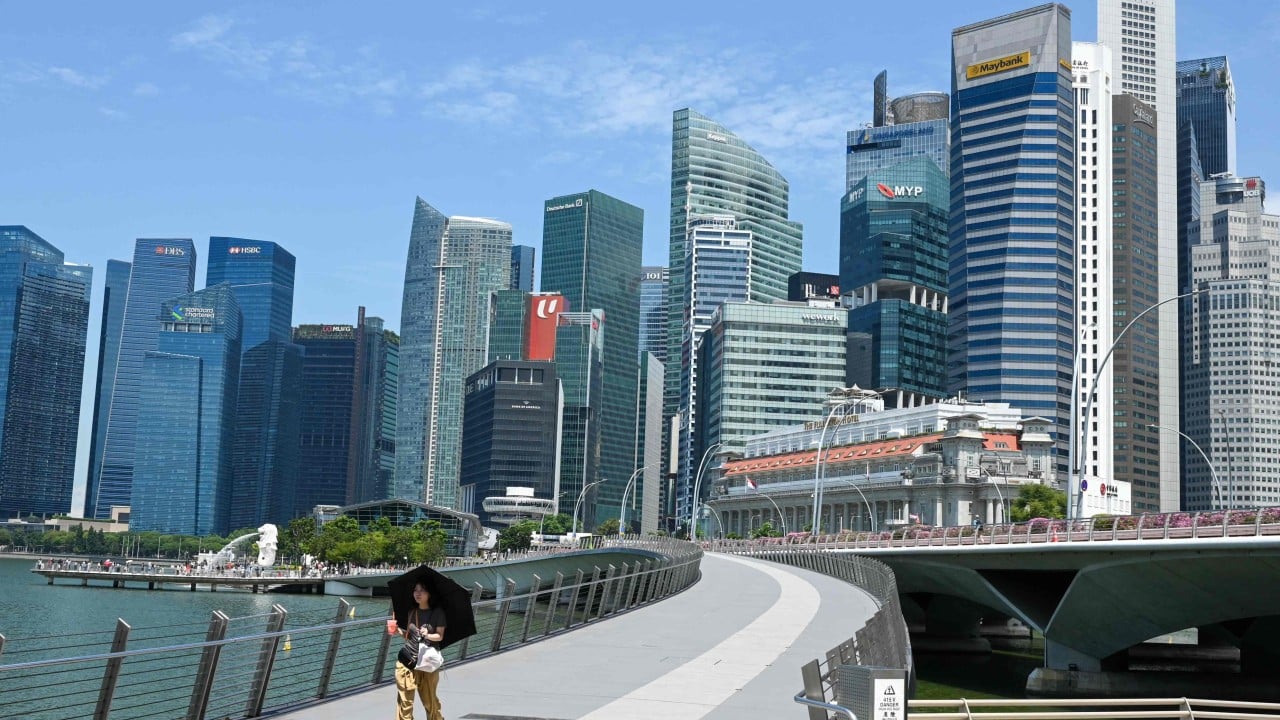
Jakarta wants to become a major financial capital. Officials look at Singapore, Hong Kong, and Dubai, spotting gleaming towers and massive pools of global capital. Then they reach for the easiest tool in the political playbook: tax incentives. Lower corporate rates. Tax holidays. Exemption perks. It feels like an aggressive play. It's actually a trap.
Money doesn't move just because you charge it less to sit somewhere. Capital moves where contracts hold up under pressure. If you want an Indonesia finance hub that actually sticks around instead of packing up at the first sign of regulatory friction, you have to fix the legal plumbing first.
The Tax Cut Illusion
Politicians love tax cuts because they look good on a press release. You can slap a big percentage reduction on the front page and claim you're open for business. But foreign investors aren't sitting around with billions of dollars, refusing to invest solely because a corporate tax rate is two percentage points too high.
They stay away because they worry about contract enforcement. They worry about sudden regulatory changes. They worry about asset seizure and unpredictable court rulings.
Think about how international private wealth and institutional funds operate. When a family office or a massive pension fund allocates capital across borders, peace of mind trumps a temporary discount. If a dispute breaks out over a joint venture or a corporate debt default, a five percent tax break means nothing if the local court system takes seven years to reach a muddy conclusion.
Tax cuts are a band-aid on a broken bone. They attract short-term hot money looking for a quick loophole, not the deep, patient capital required to build a permanent financial center.
What Actually Builds a Capital City
Look at the places that win. Singapore didn't become a heavyweight champion just by offering tax exemptions. It built a reputation for bulletproof rule of law, independent judiciary systems, and predictable commercial regulations. Investors know that if a contract is signed in Singapore, the courts will interpret and enforce it fairly, efficiently, and without political interference.
Indonesia has made strides with infrastructure. Ports, toll roads, and high-speed rail lines look great. Yet, financial infrastructure is entirely different. It requires trust, transparency, and institutional integrity.
When you talk about building an actual finance hub in Southeast Asia's largest economy, you're asking international bankers, fund managers, and corporate treasurers to trust Jakarta with trillions of rupiah. You can't sweet-talk institutional risk away with tax discounts. You need structural certainty.
Fixing the Legal Plumbing
So, what does a real legal trust framework look like on the ground? It means updating commercial codes so that modern financial instruments—derivatives, cross-border trusts, specialized investment funds—have clear, unambiguous standing.
Right now, foreign legal teams often scratch their heads trying to map local statutes onto standard international transactions. Ambiguity is the enemy of investment. When laws are open to wide interpretation by local bureaucrats, risk shoots through the roof.
Trust is built through boring details:
- Streamlining commercial dispute resolution so cases wrap up in months, not decades.
- Ensuring regulatory bodies operate with independence and consistency.
- Standardizing property rights and bankruptcy laws to international benchmarks.
These aren't glamorous talking points for an election campaign. They require painstaking legislative work and political courage. But they are the exact elements that separate a booming regional powerhouse from a short-lived experiment.
The Real Cost of Delay
Every year Indonesia relies on tax gimmicks instead of deep legal reform, it loses ground to regional rivals. Capital is fluid. It flows toward stability.
If you're running a multinational fund or setting up a regional treasury center, you aren't looking for charity. You're looking for security. You want to know that your investments are protected by clear laws that don't shift with the political wind.
Indonesia possesses the economic scale, the young population, and the entrepreneurial energy to anchor the region's financial future. The domestic market alone is massive. But scale without security is just a ticking clock.
Stop handing out discounts hoping foreign players will ignore the institutional cracks. Fix the courts. Clarify the contracts. Build a legal framework so solid that investors don't need to check their insurance policies twice before wiring funds. That is how you build a real finance hub.