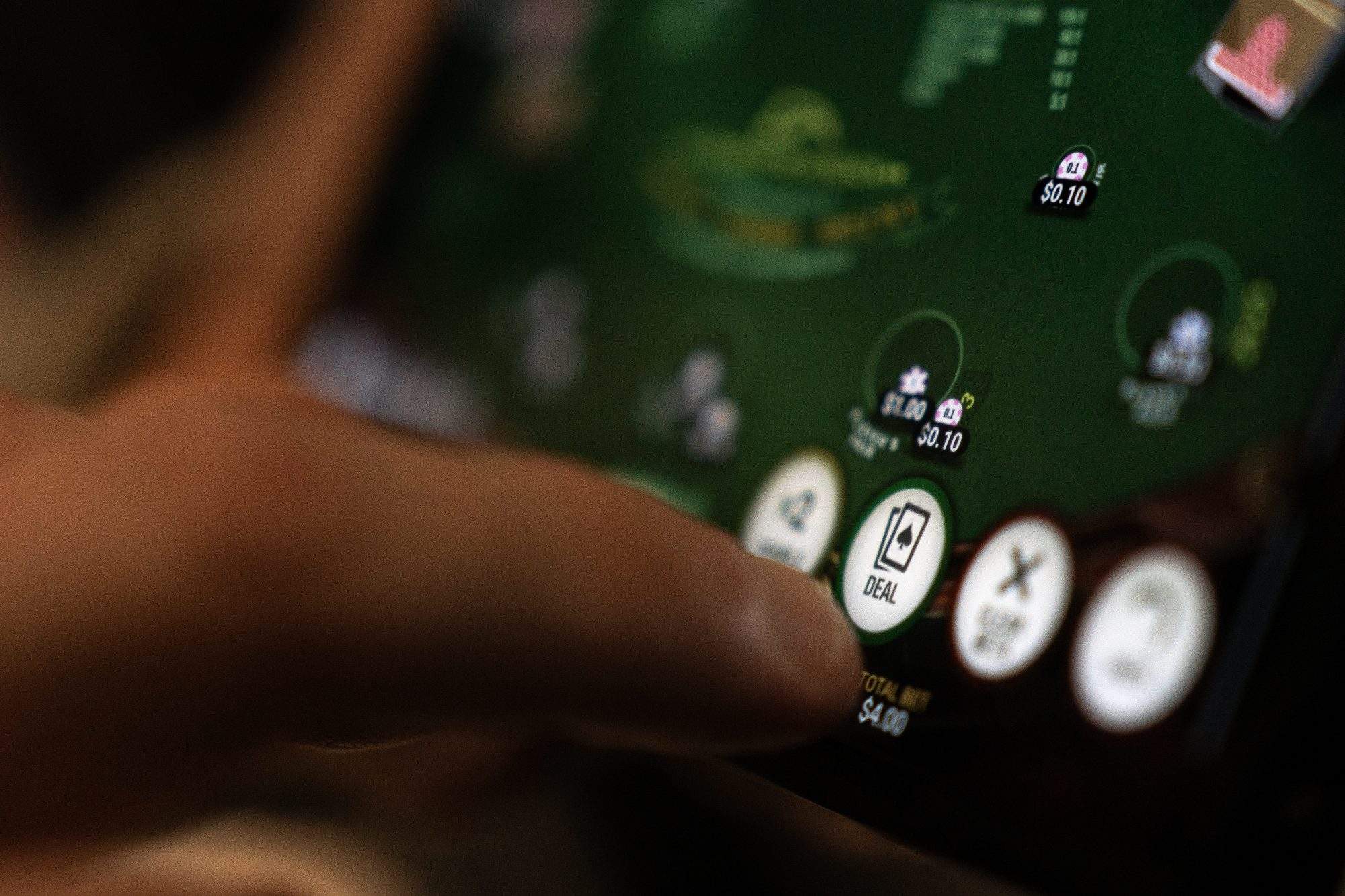
Ontario opened the floodgates to private digital casinos and sports betting apps, and now the safety nets are ripping apart at the seams. While sportsbook apps rake in record profits and plaster every sports broadcast with aggressive ads, the frontline workers holding the province's mental health infrastructure together are running out of breath.
ConnexOntario, the province’s free 24-hour mental health and gambling helpline, is currently drowning. New data shows that the organization is dealing with an unprecedented wave of longer, significantly more complex crisis calls. The problem is that provincial funding has flatlined, leaving call takers to handle a massive public health fallout on a shoestring budget.
If you or someone you know is trying to figure out how to stop chasing losses on these apps, you aren't alone. The system is jammed because thousands of other Ontarians are facing the exact same trap.
The Numbers Behind the Collapse
Let's look at what is actually happening on the ground. This isn't just a minor uptick in phone traffic. It is a structural failure.
In the 2019-2020 fiscal year, ConnexOntario handled 92,780 interactions. The average call length was comfortable, lasting just under eight minutes. Fast forward to the 2025-2026 year, and those interactions skyrocketed to 155,391. Even worse, the average call length has stretched to nearly 12 minutes.
That means call volume surged by over 67%, and the time spent on each call grew by 50%.
When you look at the funding, the math stops making sense. The province provides ConnexOntario with a base budget of $4.2 million. While the workload has exploded over the last few years, the government offered a mere four percent bump for 2025-26, following a five percent increase the year before. Try running an emergency helpline when your incoming volume outpaces your budget increases by double digits. It doesn't work.
Why the Calls are Changing
It's not just that more people are dialing the number. The entire nature of problem gambling in Ontario shifted when the government legalized private iGaming platforms in April 2022.
Before the privatization wave, a gambling problem usually meant driving to a physical casino, buying lottery tickets, or using the slow, government-run PlayOLG website. Today, a casino sits directly inside the smartphone of every teenager and adult in Toronto, Ottawa, and Thunder Bay.
A recent study published in the Canadian Medical Association Journal tracked helpline contacts from January 2012 all the way to late 2025. The data is damning. Among young men aged 15 to 24, the monthly rate of gambling-related helpline outreach skyrocketed by 317% after Ontario opened up the market to private digital sportsbooks and casinos. For men aged 25 to 44, the rate jumped 108%.
Nerin Kaur, the executive director of ConnexOntario, pointed out that people now require far more supportive listening and deep education on how to navigate the mental health sector. When someone calls today, they aren't just looking for a phone number to a local clinic. They are often in deep financial ruin, experiencing severe anxiety, or facing acute crisis situations. Loss chasing is incredibly fast on an app. You can lose a month’s rent in the duration of a single commercial break.
Spotting the Trap Before the Crash
The province treats gambling expansion like a harmless revenue stream, but the addiction patterns are devastating. Because the apps make betting look like a casual video game, people often don't realize they have a problem until their bank accounts are completely cleared out.
If you're wondering whether your own habits—or those of a friend—have crossed the line, look closely at these indicators:
- Chasing Losses: You lose fifty bucks on a game and immediately place a bigger, riskier bet to try and win it back.
- The Clock Disappears: You log onto an app intending to play for ten minutes and realize four hours passed.
- Secrecy: You minimize, hide, or flat-out lie to your partner or parents about how much money you put into your betting account.
- Borrowing to Play: Using credit cards, overdrafts, or small loans from friends just to stay in the game.
Immediate Actionable Steps to Take Control
Don't wait for the Ontario government to properly fund the healthcare system before you protect yourself. If you feel like an app has a hold on you, you can take concrete actions today to cut off the supply.
1. Hard-Block the Apps
Do not rely on willpower alone. Download dedicated software like BetBlocker or Gamban. These apps install at the root level of your phone or laptop and entirely block access to thousands of gambling and sports betting sites worldwide.
2. Register for Voluntary Self-Exclusion
If you gamble through the Ontario Lottery and Gaming Corporation (OLG), sign up for their myPlayBreak program. It allows you to completely ban yourself from OLG slots, casinos, and online platforms for a set period. Private iGaming operators in Ontario are also legally required to offer self-exclusion options within their apps. Use them to lock your accounts permanently.
3. Move the Money Away
Addiction thrives on low friction. If your credit card or bank account is linked directly to Apple Pay or Google Pay, delete those links. Make it incredibly tedious to deposit funds. Better yet, give financial oversight of your main bank accounts to a trusted family member or partner while you recover.
4. Connect with Independent Support Networks
While ConnexOntario is facing heavy wait times, they are still answering. You can call or text them directly at 1-866-531-2600 or text "CONNEX" to 247247.
If you want alternative, peer-to-peer options that don't rely on provincial hotlines, look into Gamblers Anonymous or use the free, evidence-based self-help tools provided by the Responsible Gambling Council (RGC).
The current system is designed to maximize provincial tax revenue and corporate profit while leaving the social costs to be managed by an underfunded helpline. Protect your own boundaries, block the platforms, and get offline before the apps drain you dry.