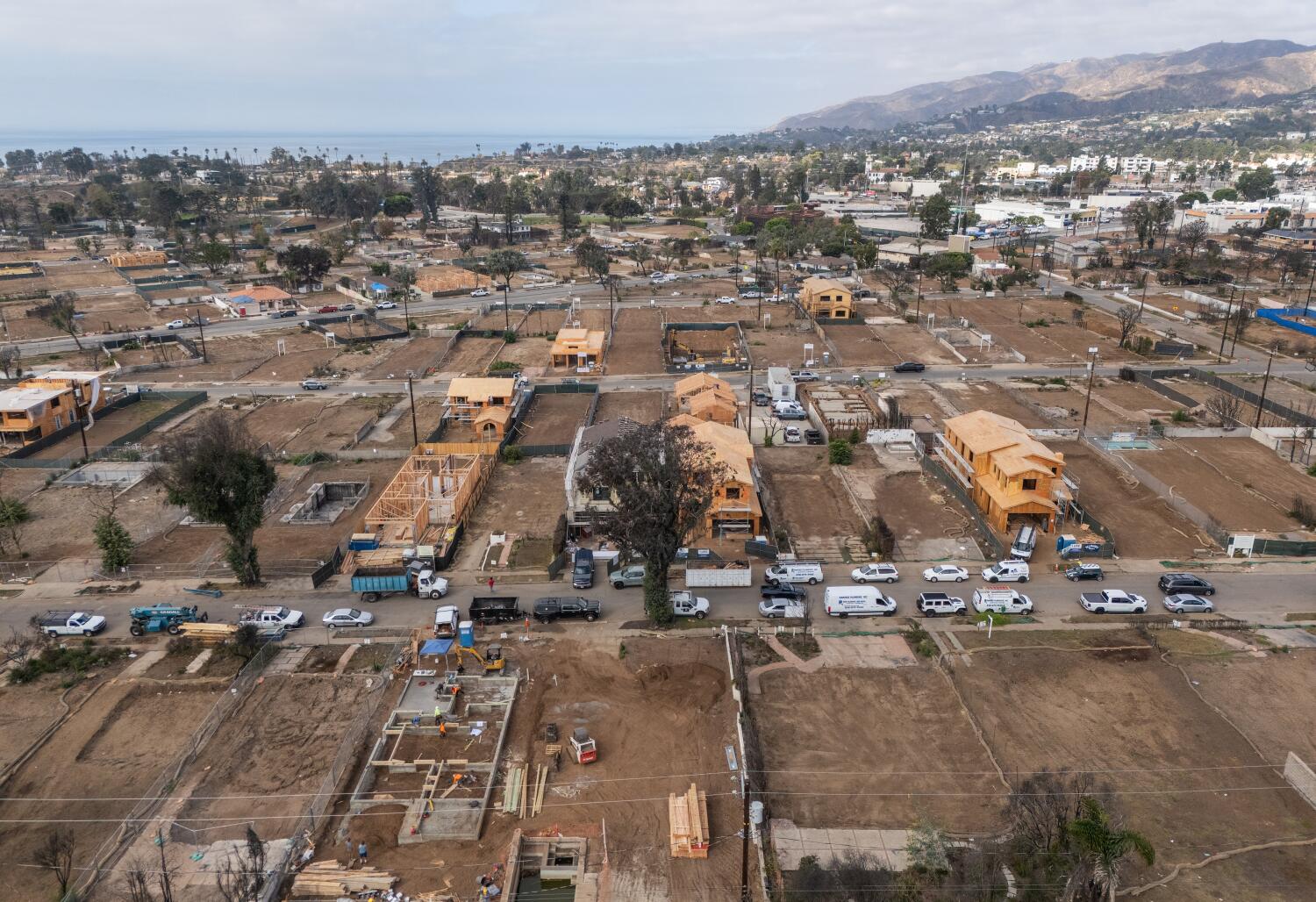
Natural disasters destroy homes, but the aftermath often destroys financial futures. When the flames of a major wildfire die down, a different kind of predator moves into the ash.
We just saw this play out in real time. Los Angeles County prosecutors announced the arrest of six individuals who swarmed the Pacific Palisades fire zone, attempting to secure lucrative rebuilding contracts. The catch? None of them held a valid California contractor's license.
An undercover operation conducted by the Los Angeles County District Attorney’s Bureau of Investigation and the California Contractors State License Board (CSLB) caught the suspects red-handed. Investigators set up a sting at a property in the Pacific Palisades neighborhood, posing as local homeowners looking to clear debris and build an accessory dwelling unit (ADU). The six men walked right into the trap, submitting bids that reached up to $48,000 for demolition and construction work.
Under California law, anyone bidding on a construction project where the total cost of labor and materials exceeds $500 must hold a valid state license. Bidding without one is a misdemeanor. Doing it in a state-declared disaster zone? That escalates the offense to a felony.
The Post-Disaster Construction Trap
This isn't an isolated incident or a case of simple bureaucratic oversight. It's a calculated hustle. When neighborhoods are reeling from catastrophic events—like the massive Southern California wildfires that tore through local communities—homeowners face immense pressure to rebuild quickly. Insurance money is coming in, housing is scarce, and emotion runs high.
Scammers know this. They show up with cheap prices, immediate availability, and high-pressure sales tactics.
The reality of hiring an unlicensed worker in a disaster zone rarely matches the pitch. You aren't just getting a discount; you're taking on massive legal and financial liabilities.
- Zero Insurance Protection: Licensed contractors must carry workers' compensation insurance. If an unlicensed worker falls off your roof or cuts themselves with a saw on your property, you become the primary employer. Their medical bills and lost wages can land squarely on your homeowner's insurance policy, or worse, lead to a personal lawsuit.
- Substandard Work and Code Violations: Building in a fire-prone area like the Pacific Palisades requires strict adherence to modern fire safety building codes. Unlicensed operators rarely pull proper permits or understand structural engineering mandates. You could pay tens of thousands of dollars only to have a city inspector order you to tear the structure down.
- The Disappearing Act: The classic scam involves taking a hefty upfront deposit for materials, doing a few hours of superficial demolition work to make it look real, and then changing their phone number. Because they aren't registered with the CSLB, tracking them down to recover your money is incredibly difficult.
What the Pacific Palisades Sting Reveals
The details of the recent LA County operation show exactly how bold these operations are. The suspects didn't just offer to patch up a fence; they bid on major structural projects like ADU construction. The individuals facing felony charges include:
- Jonathan Rinderknecht
- Mario Alonzo-Gomez
- Santos Galdamez-Alvarado
- Jose Maria-Salinas
- Jose Del Cid
- Esvin Torres-Gomez
These men now face formal felony charges in the Los Angeles County Superior Court. While the legal system processes these specific cases, the underlying problem remains. The Eaton Fire and Palisades Fire zones have become magnets for opportunistic fraud, prompting ongoing enforcement sweeps by state and local agencies.
Spotting a Construction Scam Before You Pay
Protecting your property requires moving past the desire for a quick fix. If you need to hire a contractor for fire recovery or standard home remodeling, you need to verify their credentials before signing a contract or handing over a check.
Verify the License Status Instantly
Never take a contractor's word for it, and don't just rely on a business card. Request their state pocket license and a photo ID to confirm their identity. Take that license number and plug it directly into the California Contractors State License Board Verification Tool. The system will instantly show you if the license is active, workers' comp insurance status, and whether the business faces outstanding legal judgments or disciplinary actions.
Watch for High-Pressure Red Flags
Legitimate contractors don't demand thousands of dollars in cash before they start, and they don't pressure you to sign a contract on the spot. Be highly suspicious of anyone who:
- Approaches you unsolicited at your property or leaves flyers specifically targeting fire damage.
- Claims they have "leftover materials" from a nearby job site they can give you for a discount.
- Asks you to pull the building permits as an "owner-builder" instead of pulling them under their company name. This is a common tactic used to shield the worker from state oversight and liability.
Follow the Legal Down Payment Limits
In California, the law strictly regulates how much money a contractor can take before work begins. The maximum down payment for a home improvement contract is 10% of the total project price or $1,000, whichever amount is less. If a contractor asks for a $5,000 deposit on a $30,000 job before hitting the site, they are breaking the law.
Your Immediate Next Steps for Safe Rebuilding
If you are currently navigating home repairs or wildfire rebuilding, protect your investment by sticking to a strict vetting process.
- Get three written bids. Avoid relying on a single estimate. Compare line items for materials, labor, and timeframes.
- Require a written contract. Ensure every detail, project milestone, and payment schedule is spelled out explicitly. Never rely on verbal agreements.
- Verify references. Ask to speak with previous clients who hired the contractor for similar projects within the last two years.
- Report suspicious activity. If you suspect someone is bidding on construction work without a license in your neighborhood, submit a lead directly to the CSLB Statewide Investigative Fraud Team or notify local law enforcement immediately.