When you drop an unwanted pet off at a "no-kill" animal shelter, you walk away with a clean conscience. You assume the animal will live out its days on a grassy farm or find a loving family. But a horrific discovery in Northern California proves that the "no-kill" label can sometimes mask a lucrative, deadly fraud.
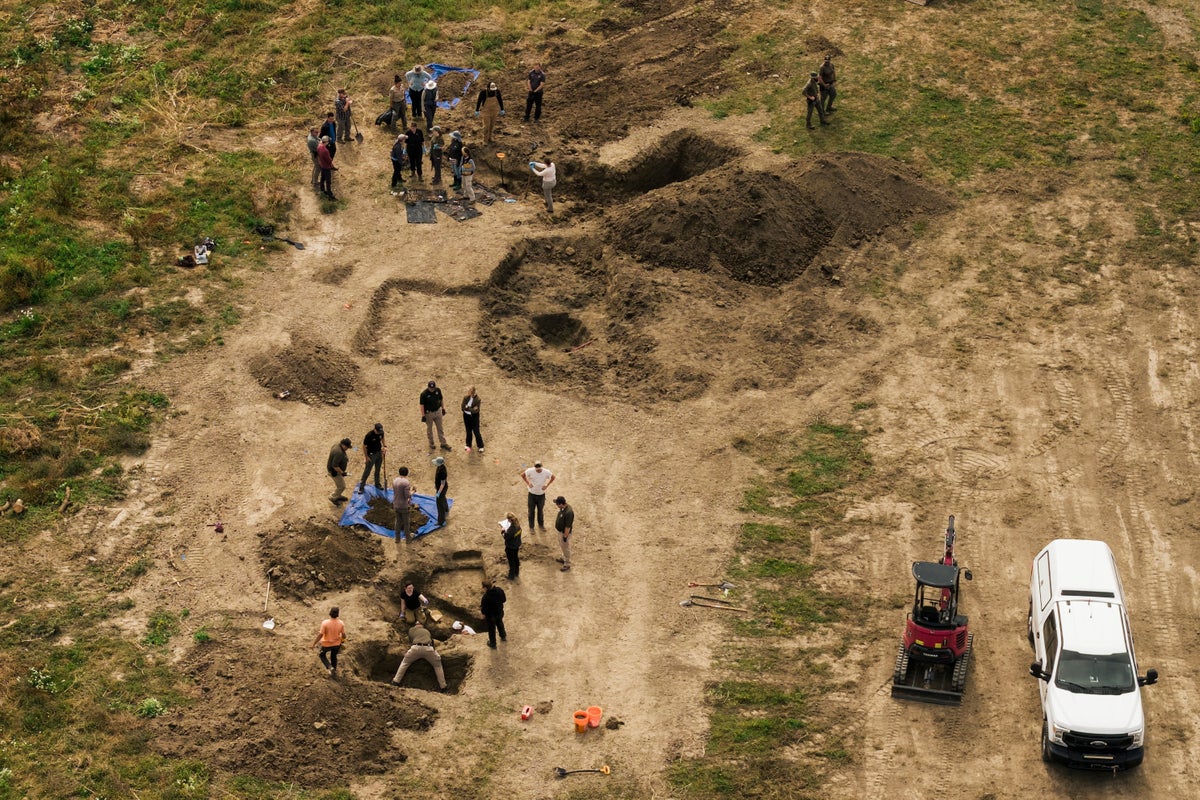
The Humboldt County Sheriff's Office just wrapped up a massive excavation at Miranda's Rescue, a 50-acre animal sanctuary in Fortuna, California. What they found shattered the local community. Investigators used ground-penetrating radar to scan an open field, ultimately unearthing 117 intact canine remains from mass graves.
It gets worse. On-site X-rays of 70 of those bodies revealed bullet fragments. Forensic veterinarians determined a significant number of these dogs died from gunshot wounds. Nearby, investigators pulled 21 additional dog skulls, hundreds of loose bones, and six detached microchips out of the dirt. Inside a barn on the property, deputies found a specific area where they believe the dogs were systematically executed. Sitting right next to that kill zone were more than 600 dog collars.
This isn't just a case of animal cruelty. It's a massive, multi-agency investigation involving the FBI, the USDA, the California Department of Justice, and local prosecutors tracking allegations of felony animal abuse, fraud, and conspiracy.
The Pay-to-Kill Business Model
To understand how a beloved local sanctuary turns into a slaughterhouse, you have to look at the money. Municipal shelters in crowded urban hubs, like Oakland Animal Services, face intense pressure to maintain high live-release rates. They don't have the space to keep every dog indefinitely. So, they pay private, rural rescues to take them.
According to a search warrant affidavit obtained by local journalists at the Lost Coast Outpost, Miranda's Rescue accepted hundreds of dogs from Bay Area shelters. Between 2023 and 2025, Oakland Animal Services alone transferred 445 dogs to the Fortuna facility. At a minimum payment of $400 per dog described in the affidavit, those transfers netted Miranda's Rescue at least $178,000 from just one source.
The deal was simple. The municipal shelters paid the money, and Miranda's Rescue promised to care for the dogs and find them homes. Instead, investigators allege the rescue's operator murdered these animals almost immediately to clear space so he could accept more dogs—and more checks.
The deception was systematic. On April 25, an Oakland official received a message from the rescue's founder, Shannon Miranda, stating that a recently transferred dog had been successfully adopted. But when a detective later scanned the microchips found in the mass graves, that exact dog's body was pulled from the dirt. It had been killed weeks earlier. Out of hundreds of dogs sent north from Oakland, law enforcement recovered exactly one alive on the property—a dog named Redwood.
How the Secret Left the Field
The horrors at Miranda's Rescue didn't come to light through routine government inspections. It took rogue animal advocates taking matters into their own hands.
A neighbor living next to the 50-acre facility grew suspicious and set up trail cameras to monitor activity near a remote field on the rescue property. After capturing disturbing footage, two advocates trespassed onto the land in April and physically dug into the earth. They uncovered a shallow pit containing eight dead dogs and immediately called the police.
Shannon Miranda has issued statements defending his operation, insisting that the rescue only euthanized animals in rare, extreme circumstances involving terminal illness or severe behavioral issues that risked public safety. He cited instances of dogs attacking other animals or lunging at baby strollers as examples of difficult choices he had to make.
But the sheer volume of remains tells a completely different story. You don't accumulate 117 fresh bodies in a field and 600 discarded collars in a barn from occasional, heartbreaking medical emergencies.
The Hard Truth About the No-Kill Label
This tragedy exposes a massive flaw in how we measure success in animal welfare. The "no-kill" movement has noble intentions, but the designation technically only requires a shelter to save 90% of the animals it takes in. To maintain that shiny statistic, municipal facilities get creative. They outsource their unadoptable or excess dogs to private, non-profit sanctuaries that fly under the radar of strict public scrutiny.
Once a dog leaves a city shelter and heads to a private rescue, the paper trail frequently goes cold. Private rescues aren't subject to the same rigorous public records acts as government agencies. If a rogue operator decides to pull a trigger instead of feeding a behavioral-problem pit bull, it can take years for anyone to notice.
No criminal charges have been filed yet, as the Humboldt County Sheriff's Office notes that processing the mountain of forensic data and microchip records will take considerable time. But the pipeline has completely shut down. Oakland and Berkeley animal services have stopped all transfers to the facility and are demanding full audits of every animal ever sent there.
If you want to ensure your local rescue dollars are actually saving lives, stop looking blindly at marketing buzzwords like "no-kill." Demand transparency. Ask to see a rescue's intake and outcome data. Legitimate organizations willingly publish their transfer records, medical logs, and adoption statistics. They don't go radio silent when asked for proof of life.
Miranda's Rescue Criminal Investigation Update
This broadcast details the active multi-agency investigation and shows the scale of the forensic excavation taking place at the California property.