The promise of a "no-kill" animal shelter sounds comforting. You hand over a dog that needs a home, pay a hefty fee, and assume they'll live out their days in a sanctuary or find a loving family. But a horrific discovery in Northern California proves that the "no-kill" label can hide a grim reality.
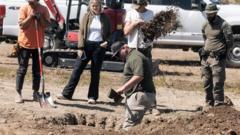
Multi-agency investigators just finished excavating mass graves at Miranda's Rescue in Fortuna, California. What they unearthed is a nightmare.
Crews recovered 117 intact canine remains from two separate dig sites on the 50-acre property. They also found 21 additional dog skulls, hundreds of scattered bones, and loose microchips. When forensic veterinarians X-rayed 70 of those intact bodies right on the scene, they discovered bullet fragments. Many of these animals died from gunshot wounds.
This isn't a small local mishap. It's a massive multi-agency investigation involving the Humboldt County Sheriff's Office, the FBI, the USDA, and the California Department of Justice.
Inside the Barn and the Missing 700 Dogs
The physical remains are only part of the horror. Investigators searched a barn on the property and found a specific area where they believe the dogs were systematically killed. In that same spot, police discovered more than 600 dog collars.
The scale of accountability here is staggering. Shelters from all over Northern California, including municipal facilities in Oakland, Berkeley, and Sacramento County, sent dogs to this facility. They paid owner Shannon Miranda fees ranging from $400 to several thousand dollars per animal under the explicit agreement that the dogs would be cared for and rehomed.
Instead, authorities say hundreds of dogs are completely unaccounted for. While the rescue collected money for hundreds of animals, the sheriff's office has only been able to confirm 116 legitimate adoptions. Up to 700 dogs that entered the facility remain missing.
Founder Shannon Miranda posted a statement online claiming the rescue only used euthanasia in rare circumstances involving dogs with severe behavioral issues that threatened staff safety. He urged the public to withhold judgment. However, the sheer volume of bodies and the discovery of hundreds of discarded collars point to a systemic operation rather than occasional emergency procedures.
Why Animal Cruelty Cases Take So Long to Prosecute
If you're wondering why Shannon Miranda hasn't been arrested yet, you aren't alone. Local animal advocates are furious, holding vigils outside the Eureka courthouse. But animal law experts say building these cases takes an immense amount of time.
Matthew Liebman, a professor of animal law at the University of San Francisco, points out that animal cruelty cases have unique evidentiary hurdles. The victims can't testify. Investigators have to meticulously match data from the recovered microchips back to the original shelters or owners to prove which specific dog died and when.
There's also a strange legal quirk in California. Putting a dog down with a bullet isn't automatically illegal or classified as animal cruelty under state law, provided it's done humanely. To secure a conviction, prosecutors must prove unnecessary suffering, or rely on other serious charges. Because money changed hands under the promise of rehoming, the legal team is looking closely at felony fraud, conspiracy, and violations of non-profit law alongside animal abuse.
How to Verify a Rescue Before You Trust Them
This tragedy exposes a massive loophole in the animal rescue world. Anyone can start a non-profit, call it a sanctuary, and claim a "no-kill" policy. Legitimate shelters are often so desperate for space that they hand over animals to third-party rescues without enough vetting.
If you want to make sure your donations or your pets don't end up in a real-life horror story, you have to look past the marketing.
- Demand Outcome Data: Legitimate rescues track every single animal. Ask for their "live release rate" and look for annual reports that show exactly how many dogs were adopted, transferred, or humanely euthanized. If they hide their numbers, walk away.
- Check the Tax Filings: Look up the organization on IRS Select Check or GuideStar. Ensure their 501(c)(3) status is active and see how much money actually goes toward animal care versus administrative costs.
- Insist on Physical Visits: Never drop an animal off at a parking lot or a secondary location. If a rescue won't let you see their housing facilities or barns, they're hiding something.
- Look for Transparency Rules: Strong rescues partner openly with municipal shelters and allow public tracking of their animals via active microchip registries.
The Humboldt County Sheriff's Major Crimes Division is currently processing the data and interviewing witnesses. They plan to present the full case to the district attorney for criminal charges once the forensic review wraps up.
If you have any information about animals sent to Miranda's Rescue, or if you adopted an animal from the facility, contact the Humboldt County Sheriff's Office to help investigators match the microchip data.