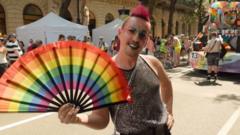
Thousands of people just marched through the streets of Budapest in scorching heat, blasting techno and waving rainbow flags. On the surface, it looked like any other Pride parade in Europe. But this one was completely different. It's the first time in 16 years that the march took place without Viktor Orbán running the country.
When Orbán and his Fidesz party lost the April 2026 elections in a landslide, a collective sigh of relief echoed through the local LGBTQ+ community. For over a decade, their lives, identities, and rights were used as political ammunition. Orbán systematically built a legal and cultural fortress against them, culminating in the infamous 2021 law banning LGBTQ+ content for minors.
If you think his exit magically solved everything overnight, you're wrong. The celebration on the streets hides a much more complicated reality. Hungary's new Prime Minister, Péter Magyar, didn't show up to the march. He's playing a very careful, ambiguous game, leaving many wondering if the old "illiberal" shadow really left Budapest.
The Illusion of a Clean Break
It's tempting to think that since the autocratic regime fell, the culture war is over. That's a massive misconception. Péter Magyar, the 45-year-old lawyer who now runs the country under his center-right Tisza Party, isn't a progressive activist. He's a former Orbán loyalist and party insider who broke away after a massive corruption scandal rocked Fidesz.
During his campaign, Magyar basically avoided the topic of LGBTQ+ rights altogether. He focused on things that mattered to the wider electorate, like systemic government corruption, inflation, and a stagnant economy. When forced to address social issues, he gave a carefully parsed statement, noting that "nobody should be stigmatized because of the way they love."
But keeping his distance from the actual parade tells you everything you need to know about Hungarian politics right now. Magyar knows he won a landslide because regular people were tired of economic misery, not because the entire country suddenly became socially liberal. The deep-seated conservatism that Orbán nurtured for 16 years doesn't just vanish on election night.
Dismantling the Legal Fortress
The real reason this year's Pride matters so much is that the legal framework designed to suppress the community is still entirely intact. Marching freely without heavy-handed police cordons or state-sponsored media smear campaigns feels like a victory, but the statute books haven't changed yet.
Here's what the new government actually inherits:
- The 2021 Propaganda Law: Legally conflates pedophilia with homosexuality and bans any depiction of LGBTQ+ identities in schools, TV shows, and advertising aimed at minors.
- The Constitutional Ban: A 2020 amendment that explicitly defines marriage as solely between a man and a woman, while effectively banning same-sex couples from adopting children by stating the mother is a woman and the father is a man.
- The Gender Recognition Ban: Section 33, passed in 2020, which completely ended legal gender recognition for transgender people, freezing their birth sex on official documents forever.
Dismantling this takes more than good vibes at a parade. While Magyar has shown a willingness to make sweeping changes—even trying to amend the constitution to purge Orbán-appointed officials like President Tamás Sulyok—he has not committed to repealing these specific anti-LGBTQ+ laws.
Activists on the ground aren't holding their breath. They know that Magyar's coalition is broad and includes plenty of traditional voters who might look down on Orbán's corruption but still support "family values."
What Actually Changes Now
If the laws are still there and the new Prime Minister skipped the event, what makes 2026 different?
The short answer is atmosphere and fear. Under Orbán, the state media ecosystem was an active weapon. State television regularly ran segments framing Pride as a threat to Hungarian children. Right-wing extremist groups felt emboldened to harass marchers, often forcing police to seal off the parade behind massive iron fences, turning a celebration into a cage match.
This year, the state-sponsored paranoia was gone. The tone from the top has shifted from active hostility to strategic neutrality. For a community that spent years looking over its shoulder, that difference is massive. It means breathing room. It means visibility without immediate state retaliation.
But structural change is a long game. The European Union froze billions of dollars in funding to Hungary precisely because of Orbán’s violations of the rule of law and human rights. Magyar wants that money back. To get it, he will have to satisfy Brussels on judicial independence and anti-corruption measures first. Social policy will likely take a backseat while the economy gets patched up.
Practical Next Steps for Following the Situation
Don't just watch the headlines about parades. If you want to know where Hungary is actually heading, keep your eyes on these specific legal and political indicators over the next few months:
- Watch the Constitutional Court fights: Track how Magyar handles the remaining Fidesz loyalists in the judiciary and presidency. If he successfully reorganizes the courts, it opens a path to challenging old laws.
- Monitor the enforcement of the 2021 law: Pay attention to whether bookshops are still fined for wrapping books with LGBTQ+ characters in plastic, or if broadcasters are still penalized. A quiet drop in enforcement is the first sign of a policy shift.
- Follow local civil society groups: Organizations like the Háttér Society and Budapest Pride are the real bellwethers. They will tell you directly if the new government is listening to them or shutting them out.
Orbánism might have lost its grip on the parliament, but it's still alive in the institutions, local media networks, and social attitudes of the country. Budapest Pride in 2026 wasn't a victory lap. It was a baseline test for a brand-new political era.
The event was covered live on the ground, highlighting the complex political landscape the country now faces. You can get a closer look at the atmosphere and listen to interviews with the participants in this France 24 report on Budapest Pride, which shows how locals feel about the march and the ambiguous stance of the new Prime Minister.