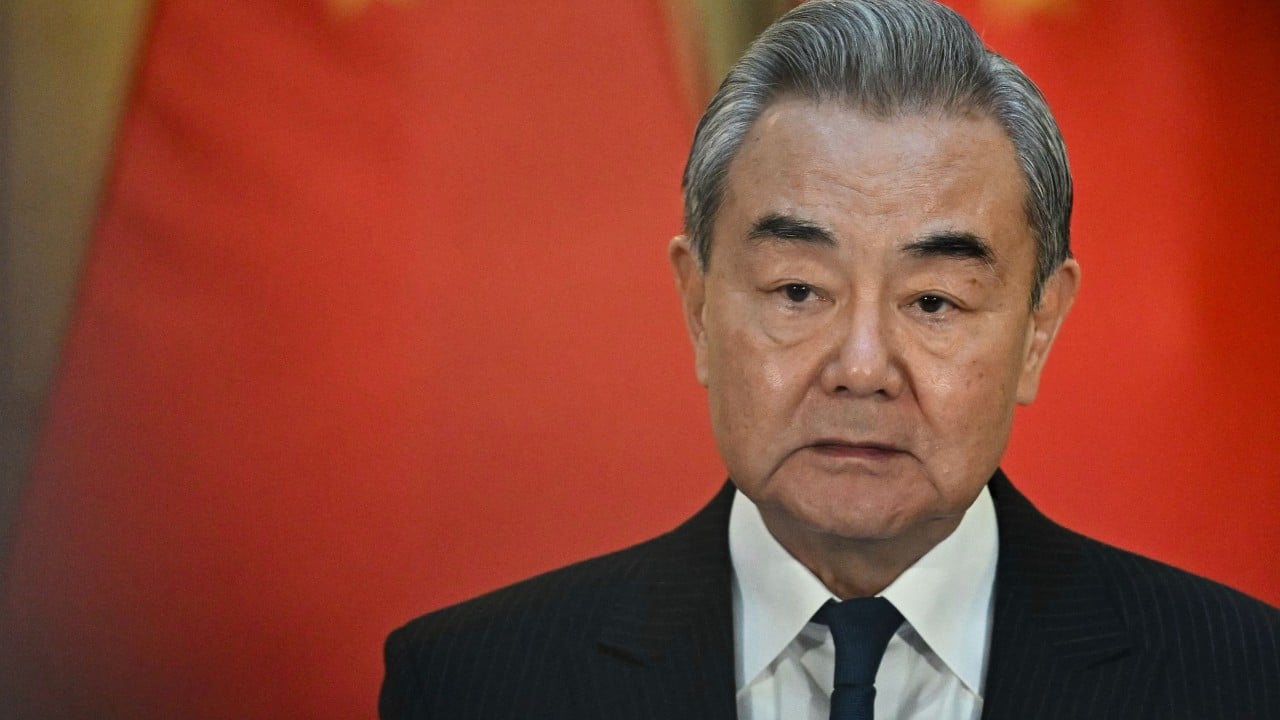
China's foreign minister Wang Yi is landing in Northern Europe at a moment of absolute Western distraction. Washington is fighting its own internal political fires. Europe is fractured. Beijing sees a glaring opening.
The seven-day tour through Denmark, Sweden, Finland, and Norway marks a major tactical shift. It's the first time a Chinese foreign minister has touched down in Denmark in 15 years, and Sweden hasn't seen one in 22 years. This isn't a routine diplomatic handshake. It's a calculated test to see if growing transatlantic friction can soften Europe’s most rigid security hawks.
For years, the Nordic states have been a wall of resistance. Finland and Sweden threw out decades of neutrality to join NATO. They’ve been vocal about Chinese support for Russia. Yet, Beijing knows that beneath the security anxiety lies a deep, historical dependency on trade.
Beijing moves on the Arctic edge
The timing of this tour isn’t accidental. The United States is signaling a retreat from traditional global trade commitments, leaving European capitals nervous. Wang Yi wants to present China as the adult in the room. He wants to show a country that remains a steady partner while the American political system oscillates wildly.
Look at the economic data. Norway’s bilateral goods trade with China cleared $11.4 billion recently. The region cannot simply decouple without taking a massive financial hit. Beijing is placing a massive bet that economic self-preservation will eventually override geopolitical fear.
The strategy is simple. Separate hard security talk from economic opportunity. While the Nordic nations remain fiercely hawkish on territorial defense, their industries are desperate to hit decarbonization goals. You can't build wind turbines or electric vehicle fleets without Chinese supply chains. Wang Yi knows it. Oslo and Copenhagen know it too.
Breaking down the Nordic hawkishness
To understand why this trip matters, you have to look at how much the Northern European security terrain has shifted. Finland shares a massive border with Russia. Sweden controls the Baltic Sea entry points. Both nations see global politics through a lens of immediate survival. They aren't traditional pushovers for Chinese charm offensives.
Yet, these same nations are built on extreme economic pragmatism. They were among the very first Western countries to recognize the People's Republic of China back in the 1950s. That historical relationship wasn’t built on shared values. It was built on cold, hard realism.
China is exploiting that specific legacy. By engaging through the N5 grouping and individual bilateral meetings, Wang Yi is bypassing the dense bureaucracy of Brussels. He's talking directly to the ministers who have to balance tight national budgets against escalating military costs.
Why trade and green tech matter more than ever
The European Union loves to talk about de-risking. It sounds great in a Brussels press release. In practice, it's a nightmare for nations trying to transition away from fossil fuels.
China’s current economic planning prioritizes advanced manufacturing and green infrastructure. For European companies specializing in high-end services, maritime logistics, and clean energy, China represents a market they simply can't ignore. Completely walking away from Chinese manufacturing would mean delaying climate goals by a decade.
- Shipping routes: Denmark and Norway dominate global maritime trade and need stable access to Asian ports.
- Battery supply: Sweden's clean energy ambitions require raw materials that China completely controls.
- Climate diplomacy: Finland recognizes that global emission targets are completely unachievable without Beijing’s cooperation.
This creates a massive opening for Chinese diplomacy. Wang Yi can look his counterparts in the eye and offer a deal. China won't interfere with their regional defense choices if they keep their markets open to Chinese technology.
The transatlantic rift plays right into Wang Yi hands
The real accelerator for this trip is the growing tension between Europe and the United States. Trust in Washington's long-term consistency is dropping globally. European leaders are realizing they can't leave their economic future tethered to the shifting whims of the American electorate.
Beijing is using this anxiety to frame a new argument. They aren't asking Europe to turn its back on Washington. They're just asking Europe to become more self-reliant. If Europe wants strategic autonomy, it needs diverse trading partners.
It’s a sophisticated pitch. It uses Europe’s own desire for independence to weaken the global anti-China coalition. If Wang Yi can convince even one Nordic nation to break ranks on upcoming trade restrictions or technology bans, the wider Western consensus begins to crumble.
What this means for global supply chains
Businesses shouldn't expect a sudden, dramatic shift in European policy. The Nordic hawks aren't about to abandon their defense alliances. What you will see is a quiet recalibration.
Expect to see targeted agreements on green technology and maritime security masquerading as neutral, technical cooperation. European leaders will continue to talk tough on security in public. Behind closed doors, they will secure the supply chains their domestic industries need to survive.
The lesson here is simple. Geopolitics is rarely about absolute alignment. It's about managing contradictions. China isn't trying to make Europe an ally. It's just making sure Europe can't afford to be an enemy.
The next move belongs to the corporate leaders and supply chain strategists who have to navigate this middle ground. Watch the outcomes of the meetings in Stockholm and Copenhagen very closely. The future of Western economic unity is being tested on the Baltic coast.
For a deeper look at the official schedule and initial announcements regarding this diplomatic tour, you can watch this report on the Chinese Foreign Minister's Nordic visit, which breaks down the official statements from the Chinese foreign ministry.